Singapore
Electric Vehicles in Singapore: What Expats Need to Know
EVs are increasingly common in Singapore lease fleets and the infrastructure has improved dramatically since 2022. Here's whether an EV makes sense for your situation — including the real costs, charging realities, and which models to consider.
Why EVs make particular sense in Singapore
Singapore is one of the most EV-friendly countries in the world for practical use. The island is small (roughly 50km end-to-end), so range anxiety is almost non-existent — even a 300 km EV will handle a full week of driving comfortably. Petrol costs around SGD $3.20–$3.50/litre, making charging significantly cheaper per kilometre.
For expats on a lease, the economics are increasingly compelling: EV leases are priced more competitively than you'd expect given the underlying car cost, partly because leasing companies benefit from government incentives. Insurance and road tax are also bundled in most leases, removing the usual EV cost premium from your monthly calculation.
Singapore's EV policy and incentives
From 2030, only cleaner-energy vehicles (including hybrids) can be newly registered. New diesel registrations already stopped in 2025. The full ICE phase-out target is 2040.
The EV Early Adoption Incentive (EEAI) provides a 45% rebate on the Additional Registration Fee (ARF), capped at SGD $15,000 for 2025 registrations (cap reduces to $7,500 in 2026). The scheme has been extended to 31 December 2026 and will not be renewed thereafter. This significantly reduces upfront EV purchase costs. Leasing companies benefit from related schemes that flow through to competitive lease pricing.
From January 2026, only battery electric vehicles qualify for VES rebates — hybrids no longer receive rebates. The top-tier VES rebate for EVs is up to SGD $22,500 on registration. Combined incentives make EV total costs of ownership increasingly competitive with petrol equivalents.
EV road tax in Singapore is calculated on the car's peak motor power output (kW), and every fully electric car also pays an Additional Flat Component of SGD $350 every six months — SGD $700 a year — which stands in for the fuel excise duty an EV never pays. Including the AFC, a 100 kW EV (e.g. the Singapore-market BYD Atto 3) pays roughly SGD $1,550/year and a 150 kW model around SGD $1,795/year; a Tesla Model 3 Long Range at ~324 kW pays roughly SGD $4,555/year, because the formula steps up sharply above 230 kW. EV road tax is therefore not automatically cheaper than petrol. Use the LTA road tax calculator for your specific model. Leases bundle road tax, so the rate is less relevant for lessees.
EV vs petrol lease: real cost comparison
The monthly difference is smaller than many expect. EV leases are priced slightly higher, but the charging saving is significant. Over a 36-month lease, the fuel saving on an EV vs petrol can offset most or all of the lease price premium.
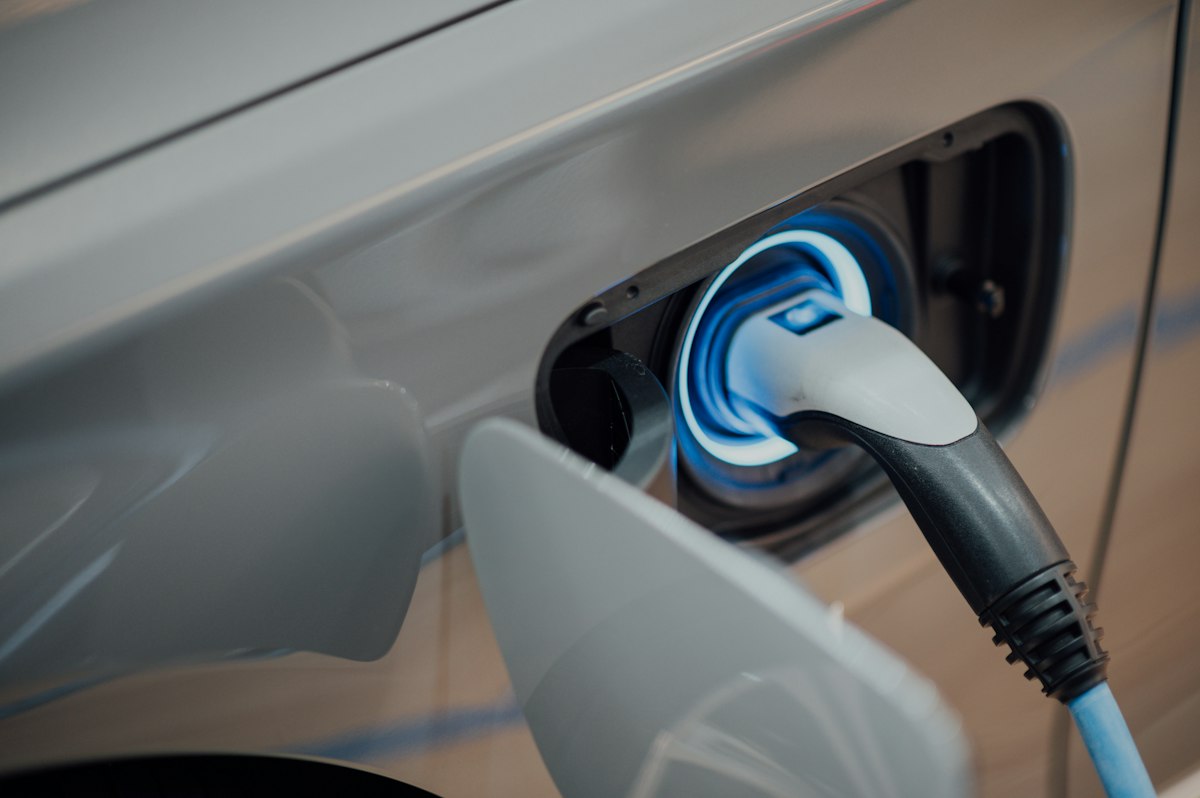
Charging in Singapore: the practical reality
SP Group (SP Mobility)
Level 2 (7–22 kW)📍 Largest network — HDB carparks, condos, commercial buildings
Integrated with the SP Utilities app. Singapore had 30,500 charging points deployed nationally as at March 2026, roughly half of them publicly accessible.
Tesla Supercharger
V3: up to 250 kW📍 15 Supercharger stations; major malls, Changi, Marina Bay
Tesla owners only. By far the most reliable and fastest for compatible vehicles.
ChargeEV
Level 2 to DC Fast (50 kW)📍 Commercial buildings, hotels, selected carparks
Subscription or pay-per-use.
Greenlots / Shell Recharge
DC Fast (50–150 kW)📍 Shell stations and selected sites
Good for top-ups on longer journeys. Pay-per-use via app.
Building chargers
Level 1–2 (3–22 kW)📍 Condos and landed properties (if retrofitted)
Most convenient if available at home. Check before committing to an EV lease.
Check your building before committing
Home charging is the biggest practical variable. Before signing an EV lease, ask your building management: (1) Does the car park have EV chargers installed? (2) If not, are there plans to install them? (3) Is there a dedicated circuit or shared load capacity? An overnight home charge is the most convenient and cheapest charging option — losing it means relying entirely on public infrastructure.
EV models in Singapore lease fleets
Tesla Model 3
SedanRange: ~500 kmMost common EV in Singapore lease fleets. Supercharger network is the best in Singapore.
Tesla Model Y
SUVRange: ~530 kmFamily-sized, excellent cargo space. Increasingly common as an expat family lease.
BYD Atto 3
SUVRange: ~420 kmStrong value EV. Rising fast in Singapore lease fleets since 2023.
Hyundai Ioniq 6
SedanRange: ~520 kmElegant design, ultra-efficient. 800V architecture means faster charging.
Hyundai Ioniq 5
SUVRange: ~480 kmPractical family-sized EV with distinctive retro design.
BMW iX3
SUVRange: ~440 kmPremium EV lease. Familiar driving dynamics for existing BMW drivers.
Lease estimates are indicative for 2025–26 and vary by company, duration, and mileage allowance. Request quotes from at least two leasing companies to compare.
Is an EV lease right for you?
Malaysia trips: the one practical limitation
Singapore's EV charging network does not extend into Malaysia. If you regularly drive to Johor Bahru or take longer Malaysian road trips, a petrol or hybrid lease is more practical. EV range is sufficient for the JB crossing, but public charging in southern Johor is sparse and unreliable.
If Malaysia trips are occasional (once or twice a year), an EV lease is still very practical — top up to 100% before crossing and plan charging stops if going further north.